

DUBLIN, Ireland: A judge in one of Dublin's busiest courts has warned that a "systemic failure" could delay cases, deny justice to victims, and allow criminals to avoid jail.
Speaking at Dublin District Court on April 9, Judge John Hughes strongly criticized the decision to remove the "garda presenter" from his court.
This role is usually handled by a sergeant who manages cases, presents evidence of crimes, and outlines previous convictions in uncontested cases. It also means arresting officers don't have to leave their regular duties to attend court.
He said this would result in complaints and unfairness to victims. It would see people who should be in jail end up not in jail because of this systemic failure
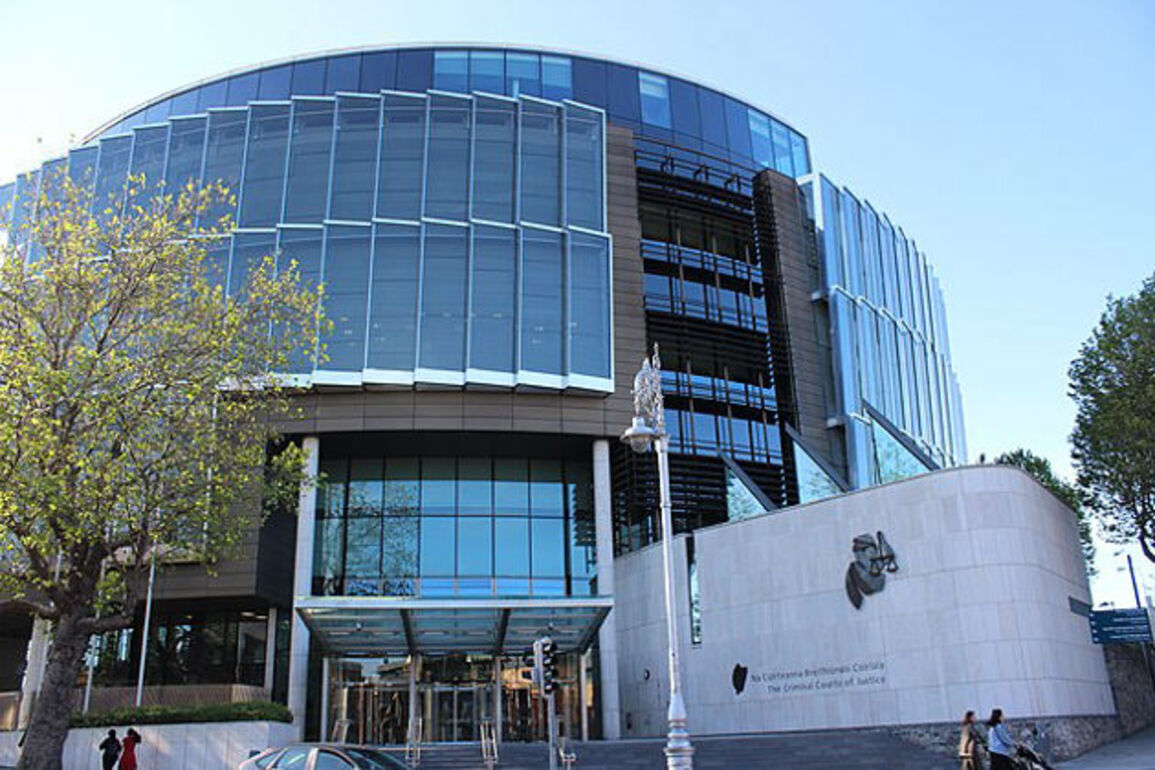
The problem has affected Court 2 in the Criminal Courts of Justice, adding pressure to an already busy schedule. It could mean that over 100 gardaí may now have to attend court on the same day to present case details.
He added, "You have seen already today where I struck out several charges because the guards weren't present, for whatever reason, I don't know. I have adjourned another case back to a list where I know in my heart nobody is going to be aware of it."
In one case, a woman who had pleaded guilty to several charges prosecuted by two gardaí could not be sentenced because the court needed the facts. Judge Hughes said, "The court presenter isn't here in a position to tell me anything about the case."
He explained that under the new system, all the officers involved would have to appear in court on sentencing day to give evidence. He stressed that having a court presenter is essential.
Looking ahead to a sentencing day next week, he said more than 100 officers involved in different cases had been asked to attend court, even though normally one sergeant would handle all of this work.
He asked what would happen if an officer did not show up. He said that on sentencing day, if a guard is absent and the accused is in custody, asking for justice, he does not think he has the power to dismiss the case.
He questioned whether he was expected to keep the person in custody, even though the final punishment might be only community service, a fine, or a suspended sentence.
At one point, only one officer was present while another was missing. The judge said continuing in such situations could lead to incomplete sentencing and unfair outcomes.
In conclusion, he said that all cases are brought in the name of the Director of Public Prosecutions, and he does not know whether the DPP was consulted on the new system. He added that while internal communication between the guards and the DPP is not the court's concern, its impact on how the court runs its cases is serious.